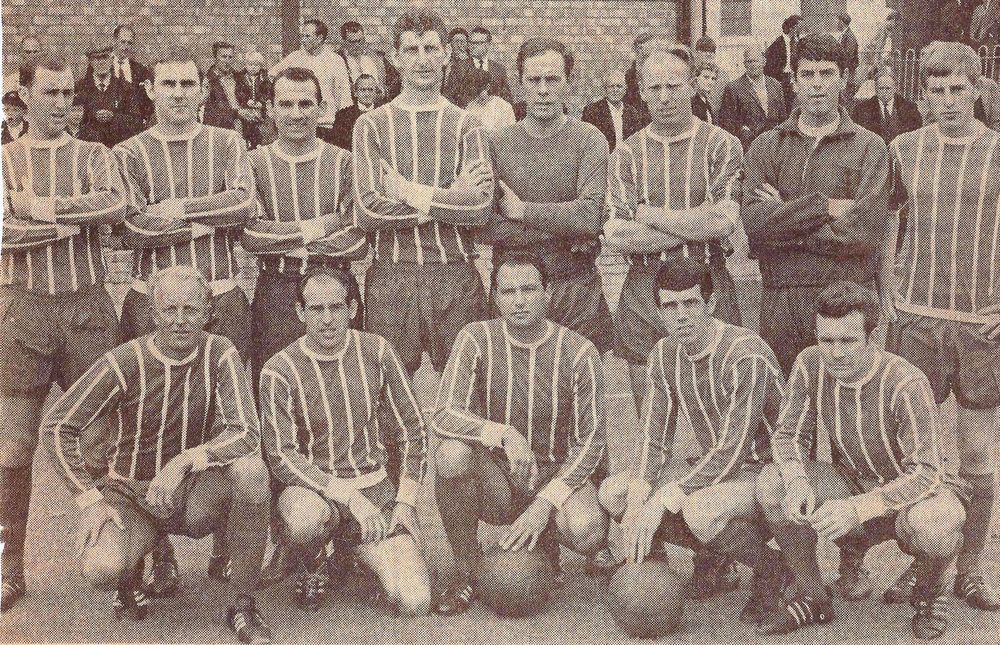
Barrie Gould in Worcester`s talented squad
Centre-back CHRIS HURLEY started his career with then-Metropolitan League side Rainham Town before being snapped up by Millwall, where he made 4 Football League appearances in the 1964/65 season, scoring twice, before moving to Southern League Division One side Dover the following season.
He was one of Mike Everitt's first targets when he took over as manager of Southern Premier Division side Wimbledon at the end of the 1970/71 season and he finally joined the Dons from Dover for £300 in November 1971 - half the fee they were asked for during the close season!
He returned to Kent in 1973 to join Southern Division One South outfit Ashford Town.
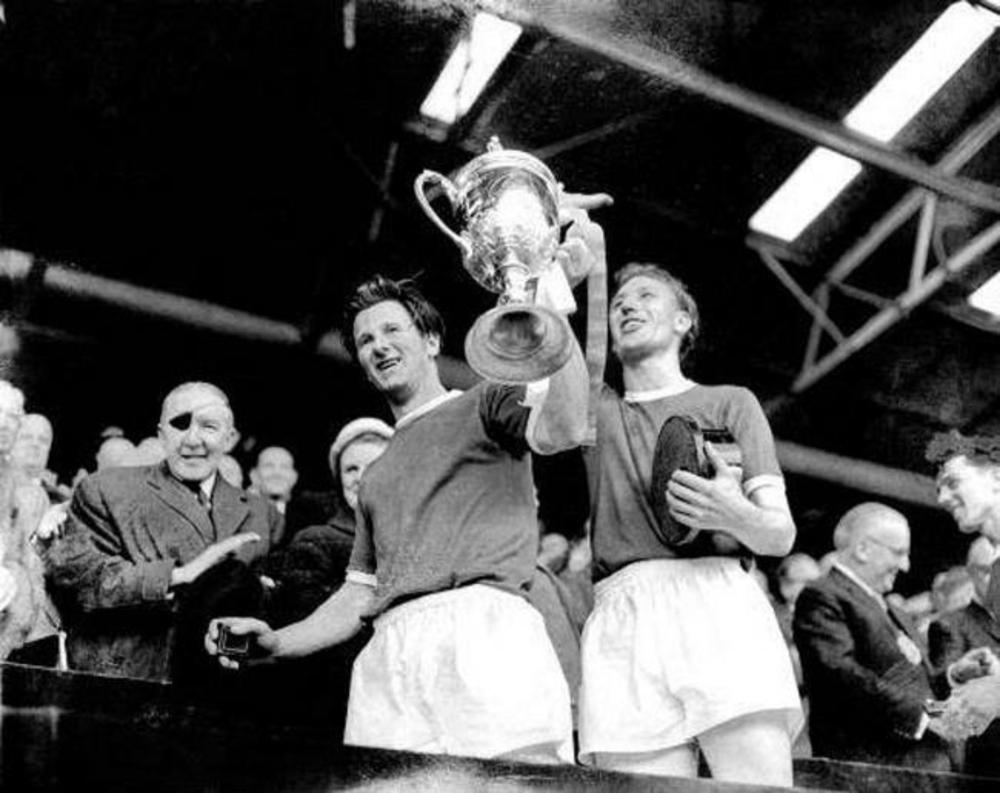
Another ex-Wimbledon player ROY LAW (right) is one to whom the epithet `legend` has been used over the years.
Captain of the Croydon Schools XI and part of the South London Schools representative team, Law joined Crystal Palace as an amateur after leaving school and was a regular in their reserves before a broken leg forced him to miss a year. He spent it wisely, training as a plumber.
After completing his National Service, he joined Wimbledon at the start of the 1957/58 season and was soon in the first team.
He became captain at the start of the 1960s and led the club to three consecutive Isthmian League titles and the FA Amateur Cup, captained the England amateur side and played for Great Britain in the 1964 Olympics qualifying competition.
When the club turned professional in 1964 Law, as captain, was instrumental in keeping the players and club together as they won immediate promotion as runners-up to Hereford United in the Southern League Division One in 64/65.
By now a trained bricklayer, he continued to work despite signing a professional contract.
He continued as captain until leaving the club in 1972 after making over 600 appearances.
He was later voted by fans as the second-best captain in the club's history, after Dave Beasant.
He sadly died in October 2014 at the age of 77.
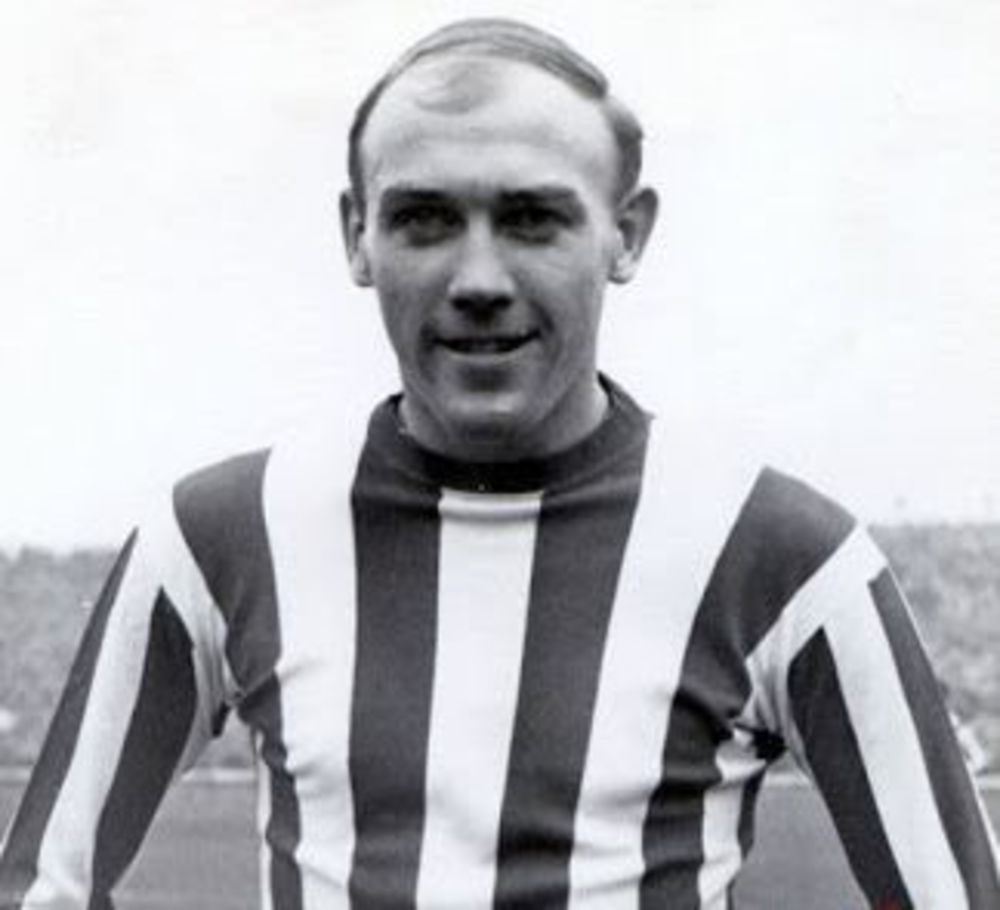
CECIL IRWIN (left) is a well-known name to long-standing Sunderland supporters.
He joined the Black Cats at the age of 15 and made over 300 League appearances before he was appointed player-manager of Yeovil Town.
The full-back was only 30 years old when appointed and intended to play the whole season alongside the other nine players that the Board had already signed before his appointment.
Unfortunately, he slipped whilst playing in a losing cause against Bath City in the Southern League Cup and suffered a cartilage injury in October 1972.
This put him out of action for almost the rest of the season.
He did well during his time in Somerset, so it was a surprise on 3rd April 1975 when it was announced that his contract would not be renewed.
Yeovil had finished as runners-up and in sixth place in the two previous seasons in the Southern League.
He continued to carry out his duties with great dignity and even scored in a Western Counties Floodlit League game only five days after being informed of his dismissal.
He returned to his native North-East to play for, and later have three spells as manager of Northern League side Ashington – his then home-town club.
There`s not that many international managers who have appeared in the Southern League as players.
Roy Hodgson, of course, was one, having turned out for Tonbridge, Gravesend & Northfleet and Ashford Town.
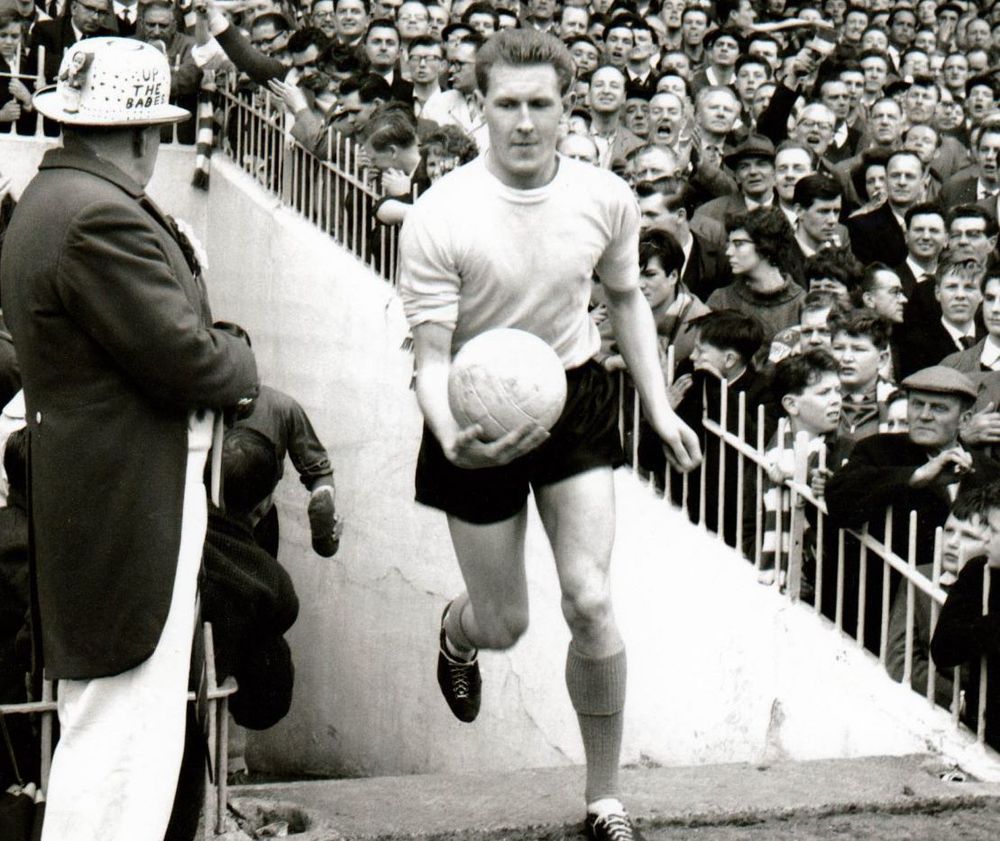
Another, perhaps not as well known, was TONY KNAPP (right)
Born in Nottingham, Knapp started his career with Leicester City and was described as a `classy centre-back` who was on the fringe of the full England side, once being chosen as a travelling reserve and appearing for the Football League against the Scottish League in March 1960.
Having hardly missed a First Division game for Leicester in 1959/60, Knapp was riding high in 1960/61 when he was sidelined by a cartilage-injury.
By the time he recovered, he lost his place in the first team and there was no place for him when Leicester lost to Tottenham Hotspur in the FA Cup Final – the final where Spurs clinched the famous `double`.
That signalled the end of his Filbert Street career and amongst those ready to sign him were Liverpool and Southampton - both in the Second Division at the time.
Knapp chose the Saints, and he spent the next six years at The Dell, making 250 appearances.
After a short spell with Coventry City, Knapp embarked on the first of his travels abroad, playing for Los Angeles Wolves in the forerunner of the North American Soccer League.
He returned to England and had a couple of seasons with Tranmere Rovers before being appointed as player-manager of Southern League Premier Division side Poole Town in 1971.
He was only in charge of the Dorset outfit for one season, finishing just above the relegation zone in 71/72 but, after a spell as a coach with Norwich City under Ron Saunders, he was about to begin a hugely successful period in Iceland.
Knattspyrnufélag Reykjavíkur were his first club side and then in January 1974 he was handed the Iceland national team post which he held until December 1977.
He spent the next five years back in club management with Viking Stavanger and Frederikstad before being asked to return to the national team in January 1984 until December 1985.
He finished his managerial time back in club football with Icelandic sides SK Brann and Djerv 1919 and then managed in Norway with Sandnes ULF, Staal Jorpeland, Hundvag and Lillesand before he retired due to illness in 2008.
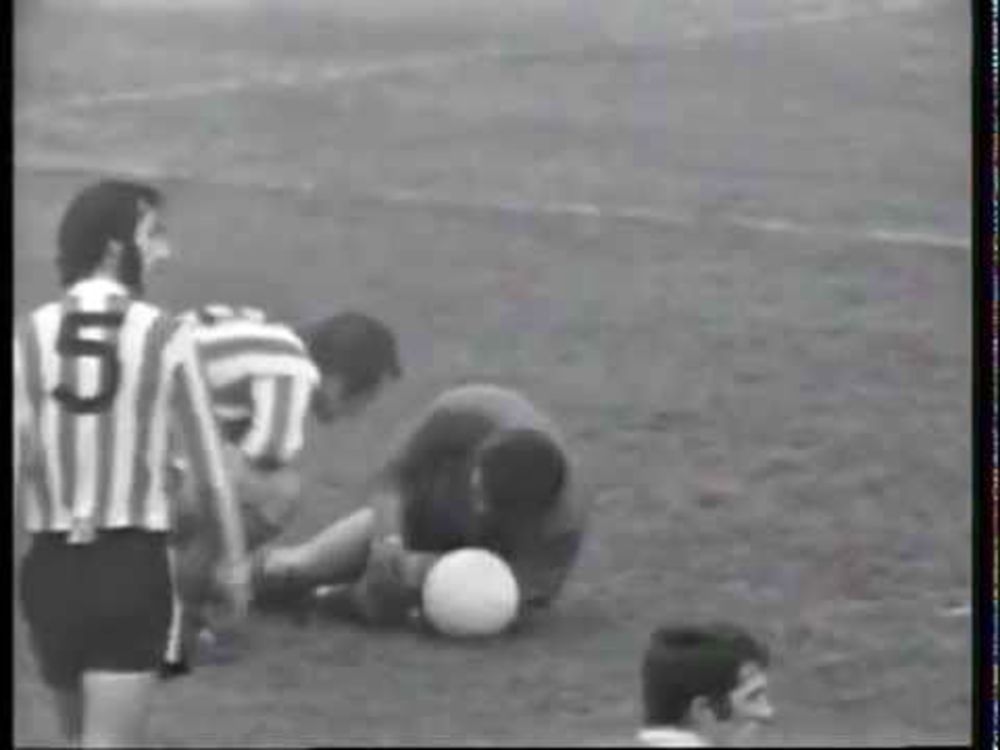
CHIC BRODIE (left) was a goalkeeper who, sadly for him, will probably be best remembered for just two things.
Firstly, having his professional career effectively ended by a dog and then being the keeper who conceded 11 goals in an FA Cup tie!
Scottish-born Brodie began his career with Junior club Partick Avondale before signing for First Division Manchester City in 1953.
He spent four years with City but failed to break into the first team – mainly due to the form of a certain Bert Trautmann - and in 1957 left to join Third Division South side Gillingham.
He spent just one season at the Priestfield Stadium, during which he played 18 times, before moving on to join Aldershot.
At the time he was doing his National Service and was stationed in the town but he remained with the Shots until 1961 when he joined Wolverhampton Wanderers.
He played just one match for Wolves before moving on to Northampton Town later in 1961.
He played regularly for the Cobblers for two seasons before moving on once again to join Brentford.
He remained with the Bees for ten years and made over 200 appearances.
In November 1970, however, a sheepdog ran onto the field of play during a match away to Colchester United and collided with Brodie, breaking his kneecap - an injury which ended his professional career.
Unfortunately for Brodie, the incident happened to be caught on camera and saved for posterity!
In the summer of 1971 Brodie recovered enough fitness to resume playing, albeit at a semi-professional level, with Southern League Premier Division club Margate.
November 20th, 1971 saw Brodie achieve national notoriety once again – this time for conceding 11 goals!
Third Division Bournemouth hammered Margate with Red MacDougall helping himself to no less than 9 of the goals – a feat that helped earn him a dream, albeit surprise, transfer to Manchester United just under a year later.
Brodie went on to make almost 100 appearances for Margate before leaving to join Southern Division One South side Wealdstone in the summer of 1973 for a small fee.
A year later he stepped back up to the Southern Premier Division with Maidstone United where he finished his playing career before retiring and becoming a taxi driver.
He died in 2000 at the age of 63.
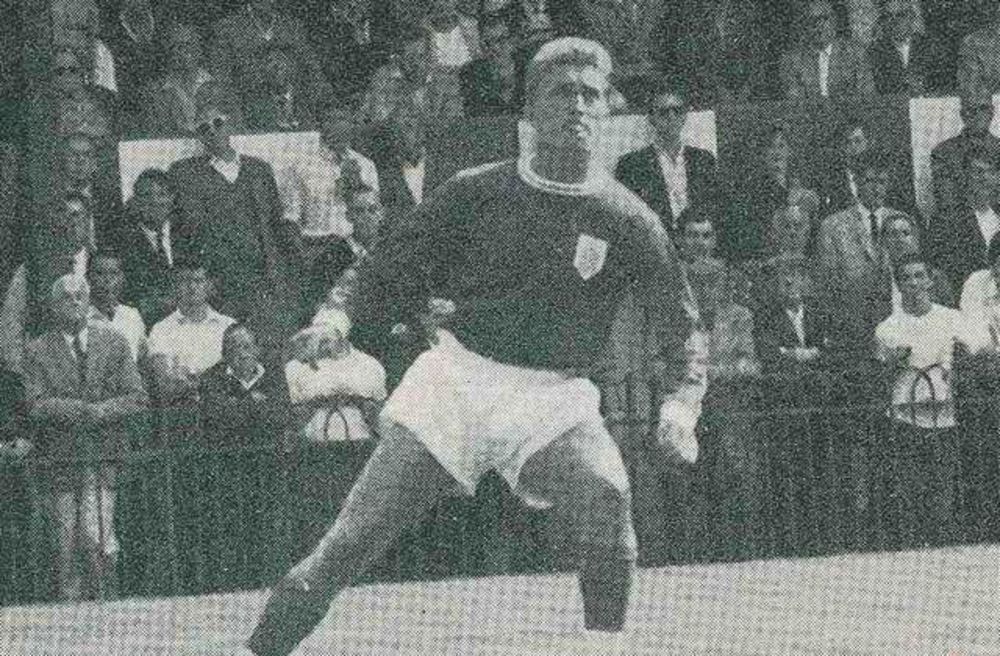
CHRIS WELLER (right) was a popular figure with Yeovil Town over a six-year period between 1967 and 1973.
After starting out with home-town club Reading, he embarked on two spells on the south coast with Bournemouth, the first of which came in August 1959.
He made his league debut a year later and was a prominent figure in the 1961/62 season which saw the club narrowly miss out on promotion under Bill McGarry.
Weller, who played mainly as a winger, signed for Bristol Rovers in June 1965 before re-joining the Cherries in January 1966.
In total, he scored 26 goals in 111 Third Division games before being signed by Ron Saunders for Southern League Premier Division side Yeovil in 1967.
He went on to be Yeovil’s top scorer in 1967/68 with 16 goals in 42 matches in all competitions, having first appeared in a 2-2 draw at home to Chelmsford City, he scored 102 goals for the Glovers in 218 matches, helping Yeovil secure the Southern League title in 1970/71 and defeat his former club Bournemouth in the FA Cup in December 1970.
He was also in the side which took on Arsenal in the FA Cup in January 1971, scored an FA Trophy hat-trick against Wimbledon the same season and was granted a testimonial game in the spring of 1973 against Wolverhampton Wanderers.
Spells with Salisbury and Poole Town followed before he became manager of Dorset Combination sides Holt United and Shaftesbury and Wessex Leaguers Wimborne Town, Brockenhurst and Bournemouth Poppies.
He then became a self-employed plumber and heating engineer in Verwood before passing away in 2018 at the age of 78.
Welshman BARRIE GOULD was taken on by Arsenal as a youth, then as an amateur before signing professionally in November 1961.
He appeared in the Gunners reserve and junior sides as a centre forward or inside right and gained a South East Counties League Cup winner`s medal, scoring two goals in the final.
A transfer to Chelsea in February 1964 was a prelude to moving to Third Division Peterborough United in July 1965 to obtain League football.
He scored 3 times in 22 first-team appearances for the Posh, and had a trial with Bristol Rovers, before moving on to Southern League Premier Division side Worcester City in October 1966.
After suffering relegation in his first season at St George`s Lane, Gould went on to enjoy four distinguished seasons with the club, including a spell as captain as he led them to the Southern First Division championship in 1967/68.
He played 188 game for City, scoring 44 goals.
Given a free transfer in 1970, he joined Dover where he won a Kent Senior Cup winner’s medal, before appearing for Guildford City, Cheltenham Town ending his playing career at then-Athenian Leaguers Burnham as player-manager.
The Worcester City side of Gould`s era was a very good one – a team held in great esteem by many of its loyal supporters.
Apart from Gould, the side around the time included the likes of Welsh legend Ivor Allchurch, capped 68 times for his country and Swansea`s all-time record goalscorer, former West Brom and Hereford United man Paddy Mullen, wing half Cliff Huxford, who made over 300 appearances for Southampton and ex-Wolves stalwart Eddie Stuart, who managed the team from 1968 until 1971,
Frank Upton, who played over 200 games for Derby and almost 100 for Chelsea and former Leicester City and Plymouth Argyle goalkeeper Dave Maclaren both went on to become coaches of a considerable standard.
Stan Round was signed for a small fee from Burton Albion and was a prolific goalscorer for City and often profited by the service given by pacey winger Ernie Ward, who joined from Lockheed Leamington and promising forward John Warrington, who was signed from Birmingham City.
A Warwickshire County cricketer, Warrington was joined by another player familiar with the summer game, midfielder Bobby Stephenson (a Hampshire wicketkeeper), who was signed for a small fee from Leamington.

Most clubs are looking for volunteers. Find out more on the button below:
www.PitchingInVolunteers.co.ukAll the news and results in one place.
REGISTER